



Why Early Myopia Management Is Important For Long-Term Eye Health
Why Early Myopia Management Is Important For Long-Term Eye Health
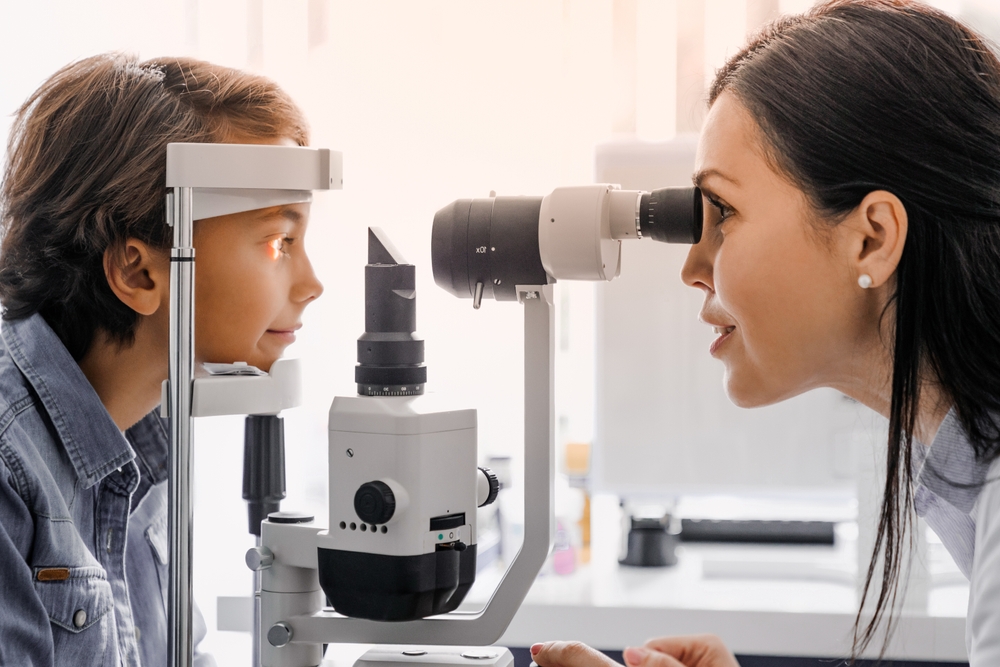
Myopia, also known as nearsightedness, is becoming more common in children and teens. While glasses or contacts can help your child see clearly, they do not always address the bigger concern - myopia progression. Early myopia management can help slow changes in your child’s prescription and support long-term eye health.
What Is Myopia?
Myopia happens when the eye grows too long or the cornea is too curved, causing faraway objects to look blurry. A child with myopia may squint, sit close to the TV, struggle to see the board at school, or complain of headaches after visual tasks. Because children’s eyes can change quickly, myopia often progresses during the school years. The earlier it is detected, the sooner a personalized treatment plan can begin.
The Importance Of Early Treatment
Myopia management is important because higher levels of nearsightedness are linked to a greater risk of eye health issues later in life. These may include retinal problems, glaucoma, cataracts, and other conditions that can affect vision over time.
Early treatment does not simply focus on helping your child see better today. It is designed to help reduce how quickly myopia progresses, which may lower the risk of long-term complications. For many families, this makes myopia control an important part of preventive eye care.
Signs Your Child May Need Myopia Management
Parents should schedule an eye exam if they notice changes in how their child sees, learns, or performs daily tasks. Common signs may include:
• Squinting to see faraway objects
• Sitting close to screens or holding books very near
• Trouble seeing the board at school
• Frequent headaches or eye strain
• Rubbing the eyes often
• A prescription that keeps getting stronger
Even if your child passes a school vision screening, a comprehensive eye exam is still important. Screenings can miss early signs of myopia and other vision concerns.
Myopia Management Options
At ClearView Optometric, myopia management is based on your child’s age, prescription, lifestyle, and eye health needs. Options may include specialty contact lenses, myopia control glasses, Orthokeratology, atropine eye drops, or guidance on healthy visual habits.
More outdoor time, regular breaks from near work, and balanced screen use can also support healthier visual development. While these habits are helpful, they are not a replacement for a professional myopia management plan when treatment is needed.
The Role Of Regular Eye Exams
Routine eye exams allow your optometrist to track prescription changes, monitor eye growth, and adjust treatment as needed. This ongoing care helps ensure your child’s myopia management plan continues to fit their vision needs as they grow.
Starting early gives families more opportunity to slow progression before nearsightedness becomes more advanced. If your child has already been diagnosed with myopia or you have noticed signs of distance blur, now is the right time to ask about treatment options.
Schedule a pediatric eye exam with ClearView Optometric to learn which myopia management option is right for your child. Visit our office in Shafter, California, or call (661) 746-6989 to book an appointment today.
MAP
Powered by: 